- 7300 Broadway Denver, CO 80221
-
Monday – Friday: 7:00AM – 6:00PM | SAT: 8:00AM – 5:00PM | SUN: Closed
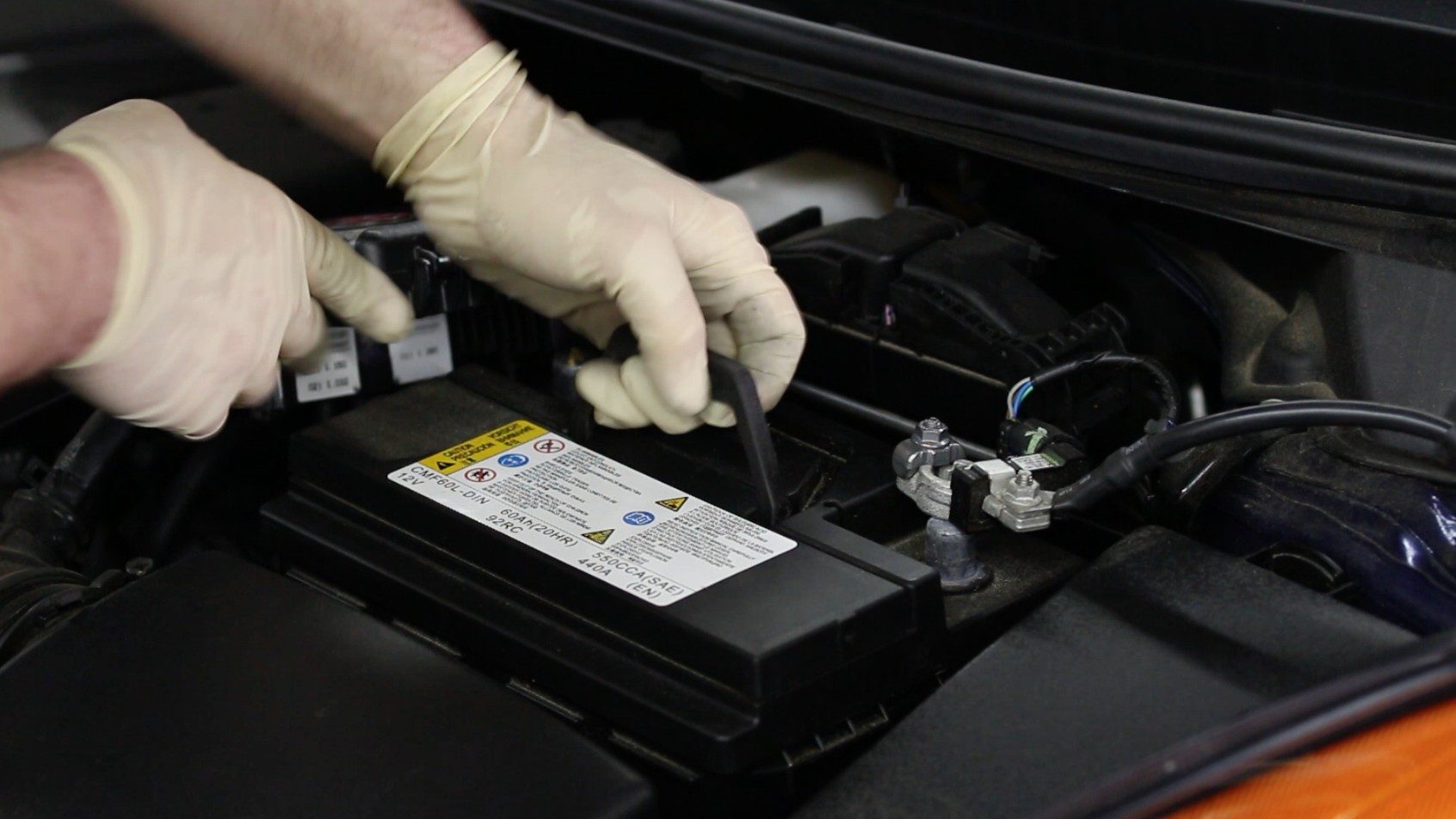
Most Hyundai batteries last between 3 and 5 years depending on weather conditions, driving habits, and electrical usage.
Signs can include slow engine cranking, dim headlights, clicking when starting, warning lights, or intermittent electrical issues.
Battery testing usually includes a load test, voltage check, and charging system inspection to evaluate overall battery health and charging performance.
Technicians use computerized testing equipment to measure battery condition under load while also checking alternator output and charging system performance.
Many drivers replace their battery proactively around the 4-year mark or sooner if testing shows weakening performance.
This may indicate a weak battery, charging system issue, failing alternator, loose battery connections, or another electrical problem.
Many genuine Hyundai batteries include limited warranty coverage, though terms can vary by battery type and replacement date.
Some newer Hyundai models equipped with start-stop systems require AGM batteries, while others use conventional batteries. Mountain Hyundai Service Center can help determine the correct battery type for your vehicle.
Yes. A failing battery can affect electronics, trigger warning lights, strain the alternator, and create starting or performance issues.
Battery testing is generally recommended at least twice a year, especially before extreme summer or winter temperatures.