- 7300 Broadway Denver, CO 80221
-
Monday – Friday: 7:00AM – 6:00PM | SAT: 8:00AM – 5:00PM | SUN: Closed
Tire rotations are typically recommended every 5,000 to 8,000 miles or during regular oil change intervals. Routine rotations help promote even tire wear.
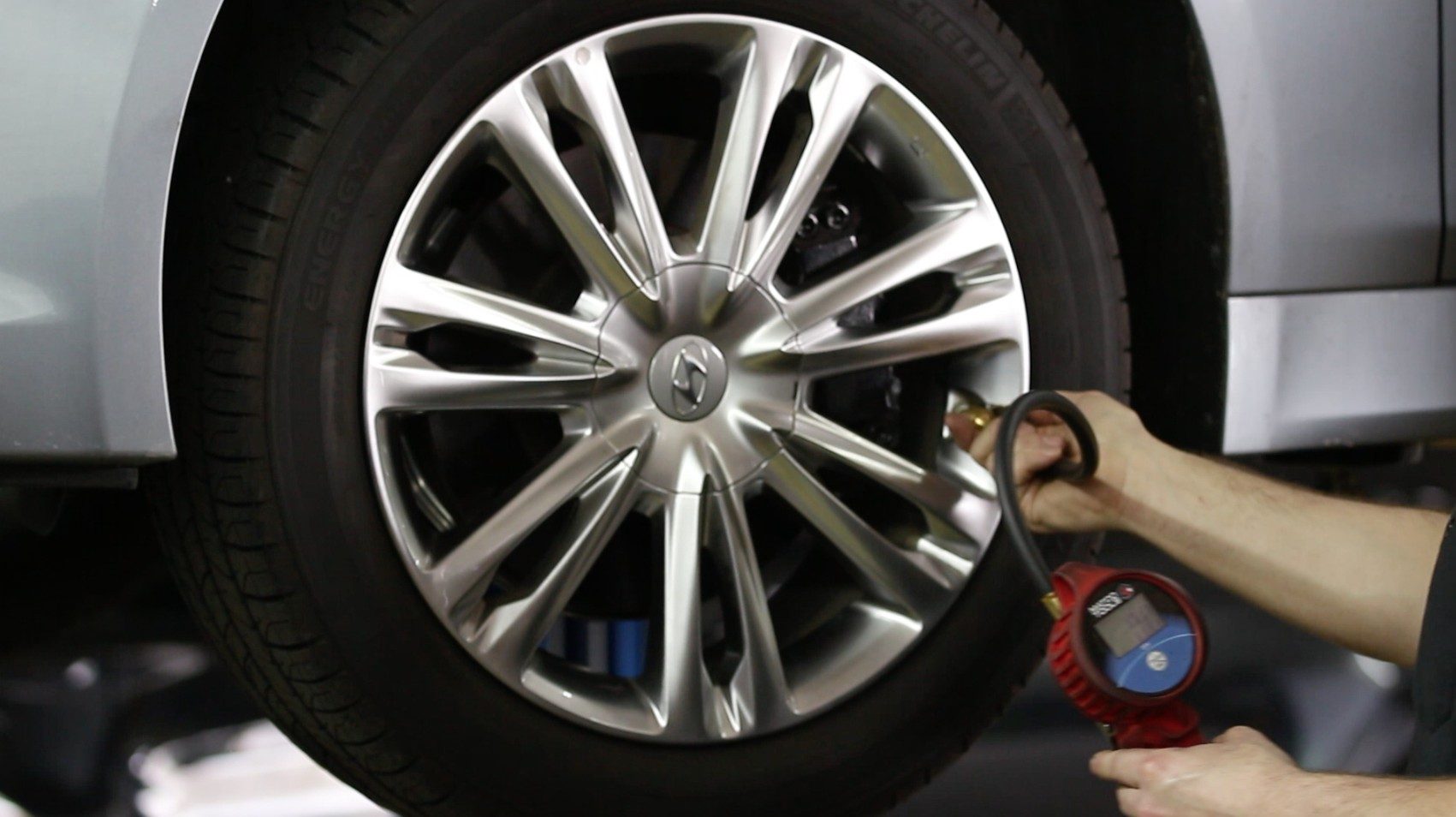
Recommended tire pressure is usually listed on the sticker inside the driver’s door jamb and commonly falls between 32 and 35 PSI when cold.
Tire vibration at higher speeds can be caused by unbalanced tires, wheel damage, uneven tire wear, or alignment issues.
Tires should generally be replaced when tread depth reaches 2/32 inch, if there is visible sidewall damage, or when the tires become excessively aged.
The service includes rotating tires according to manufacturer patterns, balancing each tire and wheel assembly, inspecting tread wear, and checking tire pressure and TPMS operation.
The best tire depends on driving conditions, climate, and performance preferences. Many drivers choose all-season tires for balanced year-round performance and comfort.
Yes. Modern Hyundai vehicles include a Tire Pressure Monitoring System (TPMS) that alerts drivers when tire pressure drops below recommended levels.
Small punctures in the tread area can often be repaired safely, while sidewall damage or larger punctures usually require tire replacement.
Tire balancing corrects vibration caused by uneven weight distribution, while wheel alignment adjusts wheel angles to improve tracking and tire wear. Mountain Hyundai Service Center often recommends both services together for smoother driving.
Tread depth can be checked with a gauge or the penny test. If the top of Lincoln’s head is visible when inserted into the tread groove, the tires may need replacement.